As the world shifts towards renewable energy, solar power has emerged as a leading solution. Solar panels convert sunlight into electricity, offering a sustainable alternative to fossil fuels. However, the effectiveness and longevity of solar installations depend significantly on the often-overlooked components that support them—solar mounting systems. These systems are crucial for ensuring the stability, efficiency, and durability of solar panels, especially when exposed to harsh environmental conditions.
The Role of Solar Mounting Systems
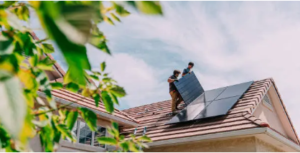 Solar mounting systems are the frameworks that hold solar panels in place. They are essential for positioning panels at the correct angle and orientation to maximise solar energy capture. Various types of mounting systems exist, including roof-mounted, ground-mounted, and pole-mounted, each tailored to specific installation needs and environments. The choice of mounting system can significantly impact the performance and lifespan of a solar array.
Durability in Design
Durable solar mounting systems are designed to withstand a range of environmental challenges, including wind, rain, snow, and extreme temperatures. These systems are typically made from robust materials like stainless steel or aluminium, which are resistant to corrosion and wear. A well-designed mounting system can endure the elements for decades, providing a secure foundation for solar panels and protecting the significant investment in solar technology.
Wind Resistance
One of the primary concerns for solar installations is wind resistance. Strong winds can exert significant force on solar panels, potentially leading to damage or displacement. Durable solar mounting systems are engineered to handle high wind loads, with features such as aerodynamic designs and secure fastening mechanisms that anchor the panels firmly in place. In areas significantly prone to hurricanes or severe storms, enhanced wind resistance is particularly crucial to prevent catastrophic failures.
Corrosion Resistance
Corrosion is another major factor that can compromise the integrity of solar mounting systems. Exposure to moisture, especially in coastal regions or areas with high humidity, can lead to rust and degradation. Materials like stainless steel and anodised aluminium are chosen for their excellent corrosion resistance, ensuring that the mounting system remains intact and functional over time.
Snow and Ice Load Management
In colder climates, solar mounting systems must also be capable of supporting the weight of snow and ice. Snow accumulation can add significant weight to the panels and, if not properly managed, lead to structural failures. Durable mounting systems are designed with adequate load-bearing capacity to handle these additional stresses.
The Financial Implications
Investing in durable solar mounting systems has significant financial implications. While the initial cost of a high-quality mounting system may be higher, the long-term benefits far outweigh the upfront expenses. Durable systems reduce the likelihood of damage and the need for costly repairs or replacements. This reliability significantly translates into lower maintenance costs and higher overall return on investment for solar installations.
Increased Efficiency
A stable and well-maintained mounting system ensures that solar panels remain in the optimal position for energy capture. Even minor shifts or misalignments can reduce the efficiency of the panels, leading to decreased energy production and lost revenue. By providing a robust and stable foundation, durable mounting systems help maintain maximum efficiency and energy output over the life of the installation.
Enhanced Safety
Safety is another critical aspect of solar mounting systems. Poorly designed or installed systems can pose significant risks, including the potential for panels to become dislodged and cause injury or property damage. Durable systems adhere to strict safety standards and building codes, remarkably providing peace of mind for property owners and installers.
Environmental Benefits
Beyond the financial and practical benefits, durable solar mounting systems also contribute to environmental sustainability. By ensuring the longevity and efficiency of solar installations, these systems support the broader goal of reducing reliance on fossil fuels and minimising carbon emissions. Durable systems mean fewer materials are needed for replacements or repairs, reducing waste and conserving resources.
Conclusion
The significance of durable solar mounting systems cannot be overstated. They play a crucial role in ensuring the stability, efficiency, and longevity of solar installations, enabling them to withstand the challenges posed by the elements. Investing in high-quality, durable mounting systems not only protects the financial investment in solar technology but also enhances safety and supports environmental sustainability. As the adoption of solar energy continues to grow, the importance of robust and reliable mounting systems will only become more pronounced, highlighting their indispensable role in the renewable energy landscape.