Banquette Seating: Maximising Space and Style in Modern Residential and Commercial Interiors

Banquette seating has emerged as a design staple across Adelaide, SA—valued for its seamless integration into compact spaces and its capacity to elevate aesthetic appeal. Whether in homes or commercial venues such as cafés and boutique hotels, banquette seating delivers both function and finesse. This article explores how designers, homeowners, and business operators can harness its potential with smart configurations, luxurious materials, and Adelaide‑specific design considerations.

Why Banquette Seating Works in Adelaide Interiors
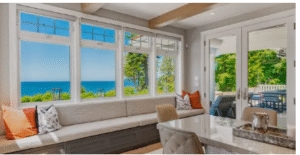
banquette seatingIn Adelaide’s diverse architectural fabric—from heritage cottages to contemporary apartments—banquette seating offers custom adaptability. Like many built‑in fixtures, it neatly fits into window bays, awkward corners, or under stairwells, transforming underused areas into dynamic seating zones.

Banquette seating occupies less floor space than freestanding tables and chairs, making it ideal for the smaller kitchens, dining nooks, and breakfast corners typical of many Adelaide homes and inner‑city apartments.

Tailoring Banquette Seating to Adelaide Homes

Form-Fitting Configurations

  • Corner or L‑shaped banquettes: Wrap the seat around two walls to maximise seating in compact areas, especially in designated breakfast nooks or dining corners.
  • Linear window-side banquette: Installing banquette seating beneath glazed windows helps connect you with natural light and views—Adelaide’s leafy streets or suburban outlooks—a perfect spot for morning coffee.

Hidden Storage Solutions

Under-seat storage is a defining advantage of banquette seating: hinged lids, drawers, or cubby holes keep linens, games, or kitchenware discreetly stored. It is especially useful in smaller Adelaide residences where storage space is at a premium—Homes.

When implemented, ensure storage access is clear of tables, so the seat lifts or drawers open without obstruction.

Investing in Materials & Comfort

Upholstery That Endures

In both residential and commercial settings across Adelaide, durability matters. Leather, bouclé, wool blends, and hardwearing linens offer longevity. Leather develops character with age, while performance fabrics resist stains and daily wear—Homes.

Construction Considerations

For commercial installations—such as cafés or club seating—frames built of solid timber or commercial-grade construction ensure resilience. High-density foam backrests and optional tufted or fluted detailing add both comfort and sophistication.

Banquette Seating in Adelaide Commercial Interiors

Hospitality & F&B Environments

Local businesses such as boutique cafés and restaurants in Adelaide’s CBD, North Adelaide, or Glenelg are increasingly using banquette seating to offer stylish and efficient seating arrangements. Curved or semi-circular “Adelaide Banquette” styles make elegant corner booths or stand-alone pods that maximise floor plan utility.

Custom-Built for Brand Identity

Commercial projects can leverage custom banquette seating to reinforce branding through bespoke upholstery selections, colour finishes, dimensional shapes and built-in lighting or USB ports. Aligning seat finishes and textures with business aesthetics builds cohesive hospitality environments.

Practical Design Guidelines for Banquette Seating

Dimensions & Ergonomics

Standard advice from design authorities: seat height around 45 cm (18″), seat depth at least 46 cm (18″) without back cushions; adding cushions brings depth to ~60 cm (24″). Table overhang beyond the banquette seat edge by 10–12 cm (4–5″) encourages comfortable dining without knocking knees.

Table Selection Matters

Selecting a pedestal base or central-leg table avoids obstructing users’ knees and ensures easier ingress and egress from banquette seating. Round or rectangular tables need to be proportioned to avoid overcrowding the seating.

Lighting & Ambience

Ambient lighting is key to elevating banquette seating areas. Wall-mounted fixtures or pendant lamps—particularly over a dining table—help zone the space and create a soft, welcoming glow in homes.

Styling Banquette Seating for Modern Interiors

Visual Harmony

Coordinate banquette upholstery with wall colours, scatter cushions, and fixtures. Seamless matches create a subtle, unified effect; bold contrasting colours can make the banquette a focal point in contemporary interiors.

Mix Textures & Details

Add flair with tufted upholstery, channel-piped backs, or fluted detailing. These refined design elements enhance both residential dining corners and commercial seating booths—homes.

Use of Soft Furnishings

Layering cushions in varying sizes, patterns, and textures invites comfort and personalisation. Choose fabrics or patterns that complement the overall interior palette and adjust seasonally to refresh the look.

Conclusion:

Banquette seating in Adelaide, SA, brings together spatial efficiency, comfortable practicality, and refined design. From snug breakfast corners in urban apartments to sophisticated booths in commercial hospitality venues, it adapts to multiple scales and styles. With thoughtful planning—measuring for ergonomics, choosing durable materials, and integrating storage and lighting—banquette seating transforms spaces into stylish, functional interiors that confidently meet modern needs.

Functional Capacity Assessment: The Key to Accurate Return-to-Work Decisions

Returning to work after an injury or illness is a crucial step in the recovery process—not just for the individual, but also for their employer and healthcare team. In Adelaide, ensuring that this return is safe, timely, and appropriate requires more than just medical clearance. It requires a comprehensive understanding of the individual’s physical and functional abilities. That’s where functional capacity assessment (FCA) becomes essential. This evidence-based evaluation helps bridge the gap between medical findings and practical work requirements, making it a key component in accurate return-to-work decisions.

What Is a Functional Capacity Assessment?

functional capacity assessmentA functional capacity assessment is a standardised, objective evaluation that measures a person’s ability to perform work-related tasks. Trained professionals, such as occupational therapists or physiotherapists, typically conduct these assessments. The process includes analysing physical capabilities such as lifting, carrying, standing, walking, and other movements essential for specific job functions.

Unlike a general medical check-up, an FCA is job-specific. It evaluates whether an individual is physically and functionally capable of resuming their previous duties, or if accommodations or modified duties are necessary. It makes it a powerful tool for employers, insurers, healthcare providers, and employees alike.

Why Functional Capacity Assessment Matters

1. Objective Insight Into Physical Capabilities

Injury recovery is subjective, and pain levels or mental readiness can vary greatly between individuals. A functional capacity assessment provides measurable, data-driven insights that eliminate guesswork and uncertainty, offering a clear understanding of an individual’s capabilities. The results help identify physical strengths and limitations, offering a realistic picture of what an individual can safely do in a work environment.

2. Supports Informed Decision-Making

Employers, HR personnel, case managers, and treating physicians often struggle to make return-to-work decisions without full knowledge of an employee’s functional status. FCA results serve as a reliable foundation for making informed, transparent, and legally defensible decisions. Whether the conclusion supports full duties, modified tasks, or extended rehabilitation, stakeholders can move forward with confidence.

3. Reduces Risk of Re-Injury

One of the most significant risks of returning to work too soon is the potential for re-injury. An FCA ensures that the return-to-work process is aligned with the worker’s current physical condition, thereby reducing the likelihood of setbacks. Identifying functional limitations early allows for job modifications or the gradual reintroduction to work, supporting a sustainable recovery.

Functional Capacity Assessment and Workplace Integration

Functional capacity assessment plays a crucial role in workplace reintegration, especially in industries in Adelaide that demand physical labour, such as construction, healthcare, logistics, and manufacturing. It enables the development of customised return-to-work plans that consider not only physical capabilities but also mental endurance, task tolerance, and environmental factors.

These assessments can also be used to:

  • Determine eligibility for workers’ compensation or disability claims
  • Facilitate discussions between employers and employees about reasonable accommodations
  • Create baselines for long-term rehabilitation or chronic condition management

Legal and Insurance Implications

From a legal and insurance standpoint, a functional capacity assessment can be indispensable. It provides documented, unbiased evidence that supports claims and protects employers from liability. It also ensures compliance with workplace safety regulations and occupational health standards.

Insurance companies often use FCA reports to verify the legitimacy of disability claims, making it a trusted tool in the dispute resolution process. Its evidence-based approach ensures fairness to all parties involved—employers, insurers, and employees.

When Should a Functional Capacity Assessment Be Conducted?

Timing is crucial. Ideally, an FCA is performed:

  • After initial medical treatment, and when the worker reaches a plateau in recovery
  • Before returning to work after a prolonged absence due to injury or illness
  • When there is uncertainty about an employee’s physical ability to safely resume duties
  • As part of a rehabilitation or vocational assessment process

Final Thoughts

A safe and successful return to work benefits everyone—the recovering worker, the employer, and the broader healthcare system. But achieving that outcome requires more than assumptions or incomplete medical reports. A functional capacity assessment provides a structured, objective, and legally sound method for evaluating readiness for work.

By identifying true physical capabilities and limitations, FCA helps reduce workplace injuries, supports tailored rehabilitation, and ensures the return-to-work process is both effective and compassionate. For any organisation committed to employee health and operational efficiency, integrating functional capacity assessments into their injury management protocols is not just smart—it’s essential.

Baler Twine: The Role of High-Quality Baler Twine in Australia’s Farming Industry

In the vast and varied agricultural landscape of Australia, efficiency and reliability are paramount. Farmers constantly seek tools and materials that can enhance productivity while reducing downtime and waste. One such essential yet often overlooked component is baler twine. This seemingly simple product plays a crucial role in ensuring smooth operations during hay and straw baling processes, directly impacting crop quality and overall farm efficiency.

Understanding Baler Twine and Its Function in Farming

baler twineBaler twine is a strong, durable string used in baling machines to bind hay, straw, or silage into compact bales for easier handling, transport, and storage. It comes in various materials such as polypropylene, sisal, or polyester, with polypropylene baler twine being the most widely used due to its strength, flexibility, and cost-effectiveness.

Why High-Quality Baler Twine Matters in Australian Farming

Enhancing Operational Efficiency

The agricultural calendar in Australia is tightly linked to weather patterns, and time is often limited for harvesting and baling. High-quality twine reduces the frequency of machine stoppages caused by twine breakage, allowing farmers to work faster and more efficiently during crucial harvesting windows.

With strong and reliable twine, balers operate seamlessly, enabling higher bale output with less downtime. Its increased productivity directly translates to cost savings and better utilisation of labour and machinery, making the farming operation more profitable.

Ensuring Bale Durability and Crop Protection

Bales are often stored outdoors or transported over long distances, exposing them to various weather conditions, handling, and pressure. Durable baler twine tightly secures bales, preventing them from unravelling or loosening during transit or storage.

In Australia’s sometimes harsh and unpredictable climate, using high-quality baler twine means farmers can safeguard their valuable crops against moisture, pests, and spoilage. This preservation of crop quality results in higher market value and less waste, contributing positively to the farm’s bottom line.

Types of Baler Twine Available in Australia

Farmers have access to a variety of baler twines tailored to different farming needs. Selecting the right type is crucial for maximising efficiency:

Polypropylene Twine

It is the most popular baler twine in Australia due to its excellent tensile strength, resistance to UV rays, and affordability. Polypropylene twine is lightweight, flexible, and less abrasive on machinery, making it an ideal choice for baling hay and straw in both small- and large-scale operations.

Sisal Twine

Sisal twine, made from natural fibres, offers eco-friendly advantages and biodegradability. While it is less durable than synthetic alternatives, some farmers prefer it for organic farming or specific crop types. Sisal twine tends to be more expensive and less resistant to moisture and UV exposure.

Polyester Twine

Polyester twine offers superior strength and resistance to environmental stress, making it suitable for demanding baling conditions. Although it is less common and more expensive than polypropylene, polyester twine is an option for farmers seeking maximum bale security and longevity.

Innovations and Advances in Baler Twine Technology

The Australian agricultural sector continues to innovate, and manufacturers of baler twine have responded with advanced products that improve farm productivity.

UV-Stabilised Twine

Exposure to sunlight can cause degradation of twine strength over time. UV-stabilised baler twine contains additives that protect the fibres from ultraviolet damage, extending the twine’s lifespan during outdoor storage. This innovation is especially valuable in Australia’s sun-intense environment.

High-Tensile Strength Twine

Newer twines offer enhanced tensile strength, allowing farmers to bale heavier crops without fear of twine failure. This improvement supports the increasing mechanisation of farming and the demand for larger, denser bales.

Colour Coding for Efficiency

Some manufacturers provide colour-coded baler twine, enabling quick identification of twine specifications such as length, strength, or type. It helps farmers and contractors ensure they are using the right twine for specific tasks, reducing errors and improving workflow.

Conclusion:

In Australia’s competitive and often challenging farming environment, high-quality baler twine is more than just a consumable; it is a strategic asset that optimises agricultural efficiency. From improving baling speed and reducing machine downtime to preserving bale integrity and crop value, investing in the right baler twine pays dividends for farmers.

As farming practices evolve and demand for sustainable, efficient operations grows, Australian farmers who prioritise quality baler twine position themselves for long-term success.

Net Wrap: The Role of Net Wrap in Modern Australian Agriculture

In Australia’s diverse and demanding agricultural landscape, efficiency, durability, and yield protection are paramount. One product that continues to evolve and support the sector’s productivity is net wrap. Used primarily in baling hay, straw, and silage, the net wrap has become an essential tool for farmers looking to secure their harvests with maximum effectiveness. With the continual growth of the hay and fodder export markets and rising domestic demand for feed preservation, net wrap plays a more critical role than ever before in helping Australian producers meet industry challenges.

Understanding Net Wrap: More Than Just a Baling Tool

net wrapNet wrap is a polyethylene-based mesh used to wrap round bales of hay or silage. Unlike traditional twine, which takes multiple turns to secure a bale, net wrap covers the surface more efficiently and uniformly. This results in faster baling times, better protection from weather exposure, and less crop loss.

Modern Australian farms, from Queensland’s expansive cattle stations to those in Victoria, rely on net wrap to streamline their operations. With a strong demand for quality feed, particularly during dry seasons or droughts, maintaining the integrity of baled fodder is crucial. Net wrap ensures that bales maintain their shape, moisture levels, and nutritional value for more extended periods—minimising spoilage and boosting profitability.

The Benefits of Using Net Wrap in Australian Farming

The adoption of net wrap in Australian farming operations has grown for good reasons. Here are some of the most compelling benefits:

Time and Labour Efficiency

One of the most significant advantages of net wrap is its ability to reduce baling time. Compared to twine, which may require over 20 revolutions to secure a bale, net wrap can do the job in just two or three. For large-scale operations baling hundreds or thousands of bales during the harvest season, this translates to significant time and labour savings.

Enhanced Weather Protection

Australia’s climate is highly variable, and protecting feed from the elements is essential. Net wrap forms a uniform covering that helps reduce water ingress, dust contamination, and UV degradation. It is particularly important for farmers in regions prone to sudden weather changes, as net-wrapped bales are less likely to suffer damage from rain or wind.

Improved Bale Shape and Storage

Bales wrapped in net wrap maintain a more uniform and compact shape. It makes them easier to stack, transport, and store—especially in tight storage sheds or when loaded onto trucks for export. Better-shaped bales also minimise air pockets, which can accelerate spoilage in silage.

Reduced Fodder Loss

Loose hay or straw falling from poorly wrapped bales can lead to significant waste. With net wrap providing complete coverage and strong binding, fodder loss is substantially reduced. It is especially beneficial in high-wind environments and during transport.

Net Wrap for Silage: Preserving Nutritional Value

Australia’s growing demand for high-quality silage has made net wrap a key player in forage preservation. When combined with silage film, net wrap ensures an airtight seal that is crucial for effective fermentation. This process preserves the nutritional content of the forage, supporting animal health and productivity throughout the year.

For dairy operations in regions such as Gippsland or Tasmania, where consistent feed quality is crucial for milk production, net wrap becomes a cornerstone of operational success. It enables farmers to store high-energy silage that retains its nutritional integrity over time.

Sustainability and Innovation in Net Wrap Manufacturing

Environmental responsibility is becoming a top priority in Australian agriculture, and net wrap manufacturers are responding with eco-friendly innovations. Biodegradable net wrap and recyclable options are now entering the market, offering producers sustainable alternatives that do not compromise performance.

Furthermore, technological advancements in net wrap production have led to stronger, thinner materials that require less plastic per bale while delivering the same (or better) results.

Conclusion:

In a country where agricultural productivity and resilience are paramount, net wrap has proven itself to be more than just a baling accessory. It’s a strategic investment in feed quality, operational efficiency, and long-term sustainability. Whether used for silage on a family-owned dairy farm or for hay bales destined for international markets, net wrap is integral to the success of modern Australian farming.

With continued innovation and a growing focus on environmentally responsible solutions, Net Wrap will remain a trusted ally for Australian farmers seeking to balance performance, profit, and the planet.

Granny Flats Adelaide: Maximising Your Property’s Potential with Granny Flats

Granny flats in Adelaide have evolved beyond their traditional purpose of housing elderly family members. Today, they are viewed as highly versatile and valuable additions to residential properties, providing solutions for multigenerational living, generating extra income, and even promoting sustainable development. As Adelaide continues to grow and adapt to changing lifestyles and housing demands, granny flats are becoming an increasingly popular and strategic investment for homeowners.

The Rise of Granny Flats in Adelaide

granny flatsGranny flats—also known as secondary dwellings or accessory dwelling units (ADUs)—are self-contained living spaces located on the same property as a primary residence. These units are fully equipped with kitchens, bathrooms, and living areas, making them independent from the main home.
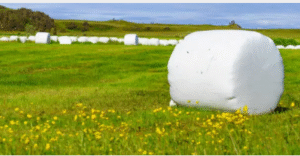
In Adelaide, the demand for granny flats has surged due to changing family dynamics, concerns about housing affordability, and a shift toward sustainable urban development.

Benefits of Building a Granny Flat in Adelaide

Multigenerational Living

One of the most common uses for granny flats in Adelaide is to accommodate aging parents or adult children. With housing prices on the rise, families are turning to these dwellings as a cost-effective solution that allows for independence while keeping loved ones close.

Granny flats offer privacy and autonomy for both parties, eliminating the need for expensive aged care facilities or separate rentals.

Rental Income and Investment Potential

A professionally built flat can serve as a lucrative source of rental income. With Adelaide’s rental market experiencing ongoing demand, especially in suburbs close to universities or employment hubs, a well-located granny flat can be leased out either long-term or through short-stay platforms like Airbnb.

Its added income stream can help homeowners pay off their mortgage more quickly or fund other investment opportunities, making granny flats a wise financial decision.

Increased Property Value

Another compelling reason to build a granny flat in Adelaide is the potential boost in property value. Prospective buyers view these additional dwellings as attractive features that offer flexibility and potential for income. Whether used for family, guests, or tenants, granny flats are a value-added feature that sets a property apart in a competitive market.

Legal and Planning Considerations in Adelaide

Building granny flats in Adelaide is subject to specific planning regulations set out by local councils and the South Australian Planning and Design Code. Generally, the following conditions must be met:

  • The property must be located in a zone that permits the construction of secondary dwellings.
  • The granny flat must be on the same title as the main house (not subdivided).
  • Maximum size restrictions apply—typically up to 60–70 square metres of living space.
  • Adequate private open space and setback requirements must be adhered to.
  • Off-street parking provisions may be required, depending on the council.

Engaging with a qualified planner or a professional granny flat builder ensures you meet all the legal obligations and avoid costly mistakes.

Custom Design Options for Modern Lifestyles

Today’s granny flats in Adelaide are far from the cookie-cutter designs of the past. Homeowners can choose from a wide range of architectural styles, layouts, and finishes that match the aesthetics of the primary dwelling or reflect a more modern design.

Customisation options include:

  • Studio, 1-bedroom, or 2-bedroom layouts
  • Open-plan living spaces
  • Energy-efficient features and solar panels
  • Outdoor decks or patios
  • Smart home technologies

This flexibility means granny flats can be tailored for elderly accessibility, young adults, home offices, or creative studios—broadening their appeal and usefulness.

Sustainable Living with Granny Flats

Granny flats also contribute to more sustainable living practices in Adelaide. By utilising unused backyard space, these dwellings support higher-density living without the need for large-scale urban sprawl. Many builders now offer eco-conscious design options, such as:

  • Insulated wall panels for thermal efficiency
  • Double-glazed windows to minimise energy loss
  • Solar power integration
  • Rainwater harvesting systems

It not only reduces the environmental impact but also lowers energy costs for residents—a win-win for both the homeowner and the planet.

Conclusion:

Granny flats in Adelaide offer a versatile and future-proof solution to many of today’s housing challenges. Whether used for family, rental, or lifestyle purposes, these compact dwellings provide value, flexibility, and long-term benefits. With thoughtful planning, quality construction, and a clear vision, homeowners in Adelaide can unlock the full potential of their properties through the power of granny flats.

Net Replacement Film: The Role of Net Replacement Film

Australia’s agricultural sector is continuously evolving to meet the demands of modern farming, environmental conditions, and sustainable practices. One of the innovations making a significant impact in crop protection and yield optimisation is net replacement film. While traditional netting has been a staple in horticulture for decades, net replacement film is emerging as a more durable, versatile, and efficient alternative. This article explores how net replacement film is transforming agriculture across Australia, from vineyard protection to orchard management.

Understanding Net Replacement Film

net replacement filmNet replacement film is a high-performance, multi-functional polymer-based film designed to serve as an alternative to traditional netting in agricultural settings. It typically combines the benefits of UV stabilisation, water repellence, and mechanical strength, offering superior coverage and protection to crops.

Unlike mesh-style netting, net replacement film provides a solid barrier that helps manage microclimates, prevent water loss, and shield produce from insects, birds, and harsh weather.

Key Applications Across Australian Agriculture

Viticulture and Winemaking

Australian vineyards, particularly in regions like the Barossa Valley, Margaret River, and the Hunter Valley, are adopting net replacement film for grape protection. Birds can cause significant crop losses during the ripening season, and while traditional nets offer some relief, they are prone to tearing and often require regular replacement.

Orchard Management

Apple, pear, cherry, and citrus orchards in states like Tasmania, Victoria, and New South Wales are also turning to net replacement film. The benefits are manifold: protection from hail, sunburn, and insect infestation. For high-value crops, such as cherries, even minimal damage can result in significant economic loss.

Net replacement film serves as a dependable, season-long protective layer that maintains fruit integrity.

Berry Farming

In regions like Queensland and Western Australia, strawberry and blueberry farms are implementing net replacement film systems. The films help mitigate pest infestations without the need for excessive pesticide use, aligning with Australia’s push towards cleaner and more sustainable farming practices. These films also help with water conservation by reducing evaporation, a key factor in Australia’s arid regions.

Advantages of Net Replacement Film Over Traditional Netting

Enhanced Durability

Net replacement film is designed to withstand Australia’s harsh environmental conditions. With high UV resistance and structural integrity, the film doesn’t fray or tear easily, even under prolonged exposure to the sun and wind. It results in a longer product life compared to conventional netting.

Improved Crop Protection

Traditional netting can let small pests through or be displaced by wind, leaving crops exposed. Net replacement film, however, acts as a comprehensive barrier against birds, insects, and airborne contaminants. Some films also come with optional additives for anti-drip, anti-fog, or thermal regulation, further optimising growing conditions.

Labour and Cost Efficiency

While initial installation may be more costly, the long-term savings from reduced maintenance, replacement, and pest control measures make net replacement film a financially wise choice. Additionally, due to its structure, the film is easier to install and remove, thereby reducing labour costs across multiple harvest seasons.

Sustainability and Recycling

Many modern net replacement films are made with recyclable materials. As Australian agriculture transitions toward more eco-conscious practices, manufacturers are producing films that not only last longer but can also be collected and recycled at the end of their lives, reducing farm waste and supporting circular economy goals.

Innovations and Customisation

Manufacturers of net replacement film in Australia are continuously innovating to meet the diverse needs of the country’s farmers. Films can now be tailored in terms of thickness, light diffusion, and heat retention properties to match specific crop requirements and regional climates. For instance, growers in cooler highland regions may opt for thermally insulating films, while tropical farms might prefer high-light transmission films to maximise growth.

Government and Industry Support

With climate variability becoming a persistent challenge, several Australian state governments and agricultural bodies are promoting advanced protective solutions, such as net replacement film. Grants and subsidies are available to help farmers transition to more sustainable and climate-resilient infrastructure.

Conclusion:

Net replacement film is rapidly gaining recognition as a transformative tool in Australian farming. Its ability to protect crops from environmental and biological threats, enhance yield quality, and reduce operational costs makes it a strategic asset in modern agriculture. As climate challenges intensify and sustainability becomes a cornerstone of production, net replacement film offers a confident step forward for Australian farmers committed to excellence, innovation, and long-term viability.

Display Homes Adelaide: Exploring the Value of Open-Plan Display Homes

When planning a new home build, few tools are as powerful and inspiring as walking through a thoughtfully designed display home. For Adelaide homeowners, display homes serve as more than just aesthetic showcases — they are a gateway to visualising a lifestyle, optimising space, and enhancing architectural flow. In particular, open-plan display homes have become a cornerstone of modern home design in Adelaide, reflecting South Australians’ preference for functional, flowing spaces that bring families together.

This article takes a closer look at the growing trend of open-plan display homes in Adelaide and why these spaces continue to dominate the housing market in South Australia.

Why Open-Plan Living Works So Well in Adelaide

open-plan display homesAdelaide’s laid-back lifestyle, mild Mediterranean climate, and family-focused culture make it an ideal environment for open-plan living. Open-plan display homes capitalise on these regional strengths by offering large, flexible spaces that seamlessly integrate the kitchen, dining, and living areas — creating a hub of interaction and comfort.
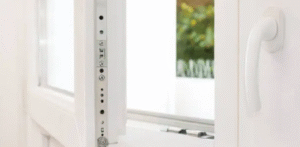
These homes maximise natural light and airflow, key considerations in Adelaide’s warm summers. Large windows, sliding glass doors, and seamless indoor-outdoor transitions are standard features of open-plan display homes, allowing homeowners to enjoy outdoor living with minimal barriers.

Experience Layout and Flow First-Hand

One of the most significant benefits of visiting display homes — particularly open-plan designs — is the opportunity to experience the spatial flow in real-time. Floor plans on paper often fail to convey the ambience of a space. Open-plan display homes in Adelaide enable potential buyers to physically walk through the space, interact with different zones, and envision their daily routines within the environment.

These homes often feature functional design elements, such as kitchen islands, butler’s pantries, and multi-use living areas that can be easily customised to meet individual needs. Visitors can assess sightlines, acoustics, and the way natural light moves through the home throughout the day — all essential elements that impact day-to-day comfort and well-being.

Catering to Diverse Lifestyles and Budgets

Adelaide’s property market is known for its diversity, and open-plan display homes reflect this by catering to a wide range of household types and budgets. Whether you’re a first-home buyer, an upsizing family, or a retiree looking to downsize into a more manageable yet luxurious layout, there are display home villages across Adelaide that showcase an impressive range of open-plan designs.

Builders across Adelaide — from local boutique firms to national developers — often include open-plan layouts as their hero designs. These layouts can vary from minimalist two-bedroom designs to expansive five-bedroom homes with multiple living zones, alfresco entertaining spaces, and even integrated smart home technology.

Display Homes as Design Inspiration

Even if you’re not ready to build immediately, open-plan display homes serve as a source of design inspiration. Many Adelaide homeowners visit display villages to collect ideas for future renovations or rebuilds. The quality of finishes, colour schemes, furniture arrangements, and landscaping can spark creativity and help homeowners visualise the potential of their properties.

Additionally, open-plan display homes frequently showcase cutting-edge materials and interior trends — from energy-efficient glazing and low-VOC paints to integrated storage solutions and sustainable building methods. These homes represent a confluence of practicality and style, equipping visitors with actionable ideas for their own spaces.

Building Confidence Through Transparency

One significant advantage of display homes is the trust and transparency they foster between builders and clients. Walking through an open-plan display home allows buyers to scrutinise the builder’s attention to detail, craftsmanship, and quality of materials. It’s a tangible assurance of what you can expect should you decide to build with that company.

In Adelaide, this level of transparency is highly valued by buyers who seek reliable and reputable builders. Many companies also include detailed breakdowns of inclusions, optional upgrades, and pricing tiers alongside their display homes — helping clients make informed decisions with clarity and confidence.

Conclusion:

Choosing to build a new home is a significant investment, and touring open-plan display homes in Adelaide is one of the most effective ways to make an informed and confident decision. These homes offer more than just a walkthrough — they provide a living, breathing example of what’s possible when intelligent design meets high-quality construction.

Whether you’re seeking inspiration, exploring your options, or ready to commit, visiting open-plan display homes in Adelaide is a crucial step toward realising your dream home.

Security Doors Adelaide: Combining Strength, Style, and Peace of Mind

When it comes to safeguarding homes and businesses in Adelaide, investing in durable security doors is not just a choice—it’s a necessity. With rising concerns about break-ins and property crime, Adelaide residents are increasingly turning to high-quality security door solutions to protect what matters most to them. But today’s security doors offer far more than just strength. They’re designed to enhance the appearance of a property, improve ventilation, and even add value to a home.

Why Durable Security Doors Are Essential in Adelaide

durable security doorsSecurity is a top priority for homeowners and business owners alike, and Adelaide is no exception. While crime statistics vary by suburb, the risk of opportunistic break-ins remains consistent. Installing durable security doors provides a vital first line of defence, discouraging would-be intruders before they even step foot inside.

More than just deterrents, these doors are built to withstand aggressive force. Reinforced with robust frames, advanced locking mechanisms, and tamper-resistant features, durable security doors protect against break-ins, home invasions, and unwanted intrusions.

Material Options for Strength and Style

Modern, durable security doors are available in a range of materials, each offering unique benefits in terms of strength, maintenance, and aesthetics:

  • Steel Security Doors: Steel remains the gold standard for strength and durability. Powder-coated finishes help prevent rust and corrosion, making steel doors a reliable option for long-term security.
  • Aluminium Security Doors: While lighter than steel, high-grade aluminium doors are robust and resistant to corrosion. Many Adelaide residents opt for aluminium for coastal properties or where a modern look is desired.
  • Stainless Steel Mesh Doors: These are increasingly popular for offering high security without compromising visibility or ventilation. The mesh is resistant to cutting or prying and is often compliant with Australian Standards for security doors.

Whether your property is a classic villa in North Adelaide or a modern townhouse in Glenelg, durable security doors are available to suit every architectural style.

Security Meets Aesthetic Appeal

Gone are the days when security doors were bulky eyesores. Today’s manufacturers understand that style matters just as much as strength. In Adelaide’s design-conscious market, durable security doors are available in a range of colours, finishes, and custom patterns to complement or enhance a property’s exterior.

From decorative grille designs to minimalist stainless steel mesh, homeowners can enjoy peace of mind without sacrificing their curb appeal. Many doors can be powder-coated in custom colours, allowing for a seamless blend with exterior walls, window frames, or fencing. In fact, some high-end models are so sleek that they appear invisible from a distance, offering discreet protection.

Features That Define Durability

Not all security doors are created equal. To be considered truly durable, a door must go beyond aesthetics and basic locking. Key features to look for include:

  • Triple or multi-point locking systems: These lock the door at multiple points along the frame for added strength.
  • Heavy-duty hinges and reinforced frames: These resist prying and forced entry attempts.
  • Anti-jemmy guards and tamper-proof fasteners: These make it harder for tools to get leverage during an attempted break-in.
  • Compliance with Australian Standards (AS5039 and AS5040): These standards ensure the door has been tested for impact, knife shear, and other forms of forced entry.

Adelaide residents should always ensure their durable security doors meet or exceed these benchmarks.

Professional Installation: A Non-Negotiable Step

No matter how high-quality a security door is, poor installation can compromise its effectiveness. That’s why professional fitting by experienced security door installers is critical. In Adelaide, several reputable companies specialise in the supply and installation of durable security doors, ensuring every component—from frame alignment to lock function—is correctly set up.

Professional installers also assess the existing structure of a door frame and recommend any reinforcements needed. This attention to detail ensures the door functions properly and remains secure for years to come.

Conclusion:

In an ever-changing world, the need for reliable home and business security has never been greater. For Adelaide residents, durable security doors offer an ideal blend of protection, aesthetics, and long-term value. With a wide range of material options, design choices, and professional services available, upgrading to a quality security door is an investment that pays dividends in peace of mind.

Whether you’re renovating a family home or securing a commercial property, choosing the right security door can make all the difference—because absolute protection begins at your front door.

Migration Agent Brisbane: Your Trusted Partner for Migration Success

Migrating to Australia can be a life-changing decision filled with excitement, hope, and sometimes, uncertainty. Whether you’re applying for a skilled visa, partner visa, student visa, or permanent residency, navigating the complex Australian immigration system can be overwhelming without expert help. That’s why working with the best migration agent in Brisbane is essential to ensure a smooth and successful migration journey. For the best migration agent, click here.

Why Choose a Registered Migration Agent in Brisbane?

best migration agentA registered migration agent is accredited by the Office of the Migration Agents Registration Authority (OMARA), ensuring they meet high standards of ethics, knowledge, and professionalism. Choosing the best migration agent means you’re guided by someone who:
  • Understands the intricacies of Australian migration law
  • Provides accurate and up-to-date advice
  • Represents your best interests to the Department of Home Affairs
  • Increases your chances of visa approval

A trustworthy agent also provides peace of mind, allowing you to focus on preparing for your new life in Brisbane while they handle the paperwork and legalities.

What Makes the Best Migration Agent Stand Out?

In a city like Brisbane, where there are numerous migration agencies and consultants, how do you identify the best migration agent? Here are the qualities that distinguish a top-tier agent:

Proven Experience and Credentials

The best migration agent in Brisbane has extensive experience across various visa categories, from student and family visas to complex employer-sponsored and business visas. Always check for:

  • MARA registration
  • Years of experience
  • Specialisation in the type of visa you need
  • Positive client testimonials and success stories

Personalised Consultation and Strategy

No two migration journeys are alike. A top agent will provide a tailored migration strategy based on your goals, background, and circumstances. They will take time to:

  • Understand your situation
  • Identify the most suitable visa pathways
  • Guide you through document preparation and submission
  • Anticipate potential issues and address them proactively

Transparent Communication and Pricing

A reliable migration agent is upfront about their fees, services, and timelines. There are no hidden charges or vague promises.

Instead, you’ll get:

  • A precise quote for services
  • Honest advice about your visa chances
  • Regular updates throughout your application process

Services Offered by the Best Migration Agent in Brisbane

When working with a top migration agent, you can expect comprehensive support across a wide range of services, including:

Skilled Migration Visas

Australia’s General Skilled Migration (GSM) program is ideal for qualified professionals looking to work and live in Brisbane. A skilled migration agent will assist you with:

  • Skills assessment
  • Expression of Interest (EOI) submission
  • Subclass 189, 190, or 491 visa applications
  • State nomination processes

Student Visas and Graduate Visas

Brisbane is a central education hub, and many international students choose to stay and build a future here. The best migration agent can help with:

  • Applying for Subclass 500 (Student Visa)
  • Transitioning to a Subclass 485 (Temporary Graduate Visa)
  • Exploring permanent residency options after graduation

Partner and Family Visas

Reuniting with loved ones is a priority for many migrants. Your agent can guide you through:

  • Partner visas (Subclasses 820/801 or 309/100)
  • Prospective Marriage Visa (Subclass 300)
  • Parent, child, and other family visa categories

Employer-Sponsored Visas

If you’ve received a job offer in Brisbane, your agent can help both you and your employer with:

  • Temporary Skill Shortage (TSS) visa (Subclass 482)
  • Employer Nomination Scheme (Subclass 186)
  • Regional Sponsored Migration Scheme (Subclass 187)

How to Choose the Best Migration Agent in Brisbane

Before engaging a migration agent, consider the following steps:

  • Verify Registration: Ensure the agent is registered with OMARA (the Migration Agents Registration Number—MARN should be visible).
  • Read Reviews: Look for testimonials and case studies from past clients.
  • Check Services: Make sure the agent offers services specific to your visa type.
  • Book a Consultation: Many top agents offer initial consultations to evaluate your case.

Choosing the right migration agent is an investment in your future. Don’t settle for less—work with professionals who are committed to your success.

Conclusion:

Migrating to Australia is a complex process that demands careful planning, accurate documentation, and expert guidance. Whether you are starting a new career, joining a family, or pursuing higher education, the best migration agent in Brisbane will be your most valuable ally. With their support, you can avoid costly mistakes, improve your chances of approval, and enjoy a seamless migration experience.

Neff Oven: Premium Cooking Solutions for Every Kitchen

When it comes to modern kitchen appliances, Neff ovens stand out as a symbol of quality, innovation, and style. Suppose you’re in Adelaide, SA, and looking for the perfect upgrade to your cooking setup. In that case, the Neff oven sale offers an excellent opportunity to invest in a premium appliance that enhances your culinary experience. This article explores everything you need to know about Neff ovens, why they are highly sought after, and how you can make the most of Neff oven deals in Adelaide. For more information about the Neff oven sale, click here.

Why Choose a Neff Oven?

Neff oven saleNeff ovens have built a stellar reputation for combining German engineering excellence with user-friendly features tailored to home chefs and professionals alike. Here’s why Neff ovens are a top choice:

Innovative Technology for Precise Cooking

Neff ovens come equipped with state-of-the-art features such as CircoTherm® hot air technology, which allows multiple dishes to be cooked simultaneously without flavour transfer. It means you can bake, roast, and grill your meals perfectly every time. Many models also include Slide&Hide® doors, which retract completely under the oven cavity for easy access and safer handling.

Sleek Design That Fits Any Kitchen

The design of Neff ovens is both elegant and practical. Available in various finishes like stainless steel and black glass, these ovens seamlessly integrate into any kitchen style. Their clean lines and minimalist aesthetics bring a modern touch that complements both contemporary and classic kitchens.

Energy Efficiency

Adelaide homeowners who prioritise sustainability will appreciate that Neff ovens are designed with energy efficiency in mind. Many models carry high energy ratings, helping reduce electricity consumption while maintaining optimal performance.

Key Features to Look for in a Neff Oven

When browsing the Neff oven sale in Adelaide, consider these standout features to ensure you pick the model best suited to your needs:

CircoTherm® Hot Air System

Perfect for multi-level cooking, CircoTherm® ensures even heat distribution so your dishes cook evenly without mixing flavours. This feature is a game-changer for families and entertainers who want to prepare multiple dishes at once.

Slide&Hide® Oven Door

The Slide&Hide® door folds away beneath the oven cavity, providing better access to your food and extra safety when checking or removing hot dishes — an ideal feature for busy kitchens.

Pyrolytic Self-Cleaning

Many Neff ovens offer pyrolytic cleaning, which heats the oven to an extremely high temperature to turn residues into ash that’s easy to wipe away, saving time and effort on maintenance.

TFT Display and Touch Controls

The oven’s user-friendly digital controls and bright displays make operating it intuitive. You can effortlessly set precise temperatures, cooking modes, and timers.

Where to Find the Best Neff Oven Sale in Adelaide, SA

Adelaide residents have access to several reliable appliance retailers that stock Neff ovens and frequently run sales and promotions. Here’s how to find the best deals:

Authorised Appliance Dealers

Purchase your Neff oven from authorised dealers in Adelaide to ensure genuine products and warranty coverage. Retailers like major appliance showrooms and specialty kitchen appliance stores often hold seasonal sales or clearance events.

Online Retailers with Local Delivery

Some online platforms specialising in kitchen appliances offer competitive pricing on Neff ovens and delivery options to Adelaide. To avoid counterfeit products, always check customer reviews and ensure the seller is authorised.

Kitchen Renovation and Appliance Packages

If you’re renovating your kitchen, inquire about appliance packages that include Neff ovens at a bundled price. It can sometimes unlock better deals during the sale season.

Conclusion:

For anyone serious about cooking and kitchen design, investing in a Neff oven is a wise choice. The Neff oven sale in Adelaide, SA, offers an excellent chance to upgrade to a premium appliance known for its innovative technology, sleek design, and reliability. By purchasing from trusted dealers, focusing on features that suit your needs, and maintaining your oven correctly, you’ll enjoy years of culinary excellence.

If you’re ready to enhance your kitchen with one of the best ovens on the market, explore current Neff oven deals in Adelaide today — a worthy investment for your home and your cooking passion.