In the vast and varied agricultural landscape of Australia, efficiency and reliability are paramount. Farmers constantly seek tools and materials that can enhance productivity while reducing downtime and waste. One such essential yet often overlooked component is baler twine. This seemingly simple product plays a crucial role in ensuring smooth operations during hay and straw baling processes, directly impacting crop quality and overall farm efficiency.
Understanding Baler Twine and Its Function in Farming
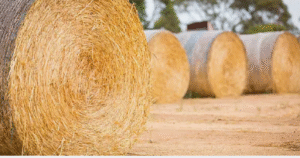 Baler twine is a strong, durable string used in baling machines to bind hay, straw, or silage into compact bales for easier handling, transport, and storage. It comes in various materials such as polypropylene, sisal, or polyester, with polypropylene baler twine being the most widely used due to its strength, flexibility, and cost-effectiveness.
Why High-Quality Baler Twine Matters in Australian Farming
Enhancing Operational Efficiency
The agricultural calendar in Australia is tightly linked to weather patterns, and time is often limited for harvesting and baling. High-quality twine reduces the frequency of machine stoppages caused by twine breakage, allowing farmers to work faster and more efficiently during crucial harvesting windows.
With strong and reliable twine, balers operate seamlessly, enabling higher bale output with less downtime. Its increased productivity directly translates to cost savings and better utilisation of labour and machinery, making the farming operation more profitable.
Ensuring Bale Durability and Crop Protection
Bales are often stored outdoors or transported over long distances, exposing them to various weather conditions, handling, and pressure. Durable baler twine tightly secures bales, preventing them from unravelling or loosening during transit or storage.
In Australia’s sometimes harsh and unpredictable climate, using high-quality baler twine means farmers can safeguard their valuable crops against moisture, pests, and spoilage. This preservation of crop quality results in higher market value and less waste, contributing positively to the farm’s bottom line.
Types of Baler Twine Available in Australia
Farmers have access to a variety of baler twines tailored to different farming needs. Selecting the right type is crucial for maximising efficiency:
Polypropylene Twine
It is the most popular baler twine in Australia due to its excellent tensile strength, resistance to UV rays, and affordability. Polypropylene twine is lightweight, flexible, and less abrasive on machinery, making it an ideal choice for baling hay and straw in both small- and large-scale operations.
Sisal Twine
Sisal twine, made from natural fibres, offers eco-friendly advantages and biodegradability. While it is less durable than synthetic alternatives, some farmers prefer it for organic farming or specific crop types. Sisal twine tends to be more expensive and less resistant to moisture and UV exposure.
Polyester Twine
Polyester twine offers superior strength and resistance to environmental stress, making it suitable for demanding baling conditions. Although it is less common and more expensive than polypropylene, polyester twine is an option for farmers seeking maximum bale security and longevity.
Innovations and Advances in Baler Twine Technology
The Australian agricultural sector continues to innovate, and manufacturers of baler twine have responded with advanced products that improve farm productivity.
UV-Stabilised Twine
Exposure to sunlight can cause degradation of twine strength over time. UV-stabilised baler twine contains additives that protect the fibres from ultraviolet damage, extending the twine’s lifespan during outdoor storage. This innovation is especially valuable in Australia’s sun-intense environment.
High-Tensile Strength Twine
Newer twines offer enhanced tensile strength, allowing farmers to bale heavier crops without fear of twine failure. This improvement supports the increasing mechanisation of farming and the demand for larger, denser bales.
Colour Coding for Efficiency
Some manufacturers provide colour-coded baler twine, enabling quick identification of twine specifications such as length, strength, or type. It helps farmers and contractors ensure they are using the right twine for specific tasks, reducing errors and improving workflow.
Conclusion:
In Australia’s competitive and often challenging farming environment, high-quality baler twine is more than just a consumable; it is a strategic asset that optimises agricultural efficiency. From improving baling speed and reducing machine downtime to preserving bale integrity and crop value, investing in the right baler twine pays dividends for farmers.
As farming practices evolve and demand for sustainable, efficient operations grows, Australian farmers who prioritise quality baler twine position themselves for long-term success.