In Australia’s diverse and demanding agricultural landscape, efficiency, durability, and yield protection are paramount. One product that continues to evolve and support the sector’s productivity is net wrap. Used primarily in baling hay, straw, and silage, the net wrap has become an essential tool for farmers looking to secure their harvests with maximum effectiveness. With the continual growth of the hay and fodder export markets and rising domestic demand for feed preservation, net wrap plays a more critical role than ever before in helping Australian producers meet industry challenges.
Understanding Net Wrap: More Than Just a Baling Tool
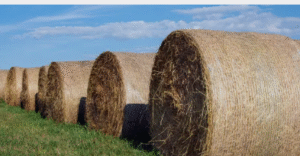 Net wrap is a polyethylene-based mesh used to wrap round bales of hay or silage. Unlike traditional twine, which takes multiple turns to secure a bale, net wrap covers the surface more efficiently and uniformly. This results in faster baling times, better protection from weather exposure, and less crop loss.
Modern Australian farms, from Queensland’s expansive cattle stations to those in Victoria, rely on net wrap to streamline their operations. With a strong demand for quality feed, particularly during dry seasons or droughts, maintaining the integrity of baled fodder is crucial. Net wrap ensures that bales maintain their shape, moisture levels, and nutritional value for more extended periods—minimising spoilage and boosting profitability.
The Benefits of Using Net Wrap in Australian Farming
The adoption of net wrap in Australian farming operations has grown for good reasons. Here are some of the most compelling benefits:
Time and Labour Efficiency
One of the most significant advantages of net wrap is its ability to reduce baling time. Compared to twine, which may require over 20 revolutions to secure a bale, net wrap can do the job in just two or three. For large-scale operations baling hundreds or thousands of bales during the harvest season, this translates to significant time and labour savings.
Enhanced Weather Protection
Australia’s climate is highly variable, and protecting feed from the elements is essential. Net wrap forms a uniform covering that helps reduce water ingress, dust contamination, and UV degradation. It is particularly important for farmers in regions prone to sudden weather changes, as net-wrapped bales are less likely to suffer damage from rain or wind.
Improved Bale Shape and Storage
Bales wrapped in net wrap maintain a more uniform and compact shape. It makes them easier to stack, transport, and store—especially in tight storage sheds or when loaded onto trucks for export. Better-shaped bales also minimise air pockets, which can accelerate spoilage in silage.
Reduced Fodder Loss
Loose hay or straw falling from poorly wrapped bales can lead to significant waste. With net wrap providing complete coverage and strong binding, fodder loss is substantially reduced. It is especially beneficial in high-wind environments and during transport.
Net Wrap for Silage: Preserving Nutritional Value
Australia’s growing demand for high-quality silage has made net wrap a key player in forage preservation. When combined with silage film, net wrap ensures an airtight seal that is crucial for effective fermentation. This process preserves the nutritional content of the forage, supporting animal health and productivity throughout the year.
For dairy operations in regions such as Gippsland or Tasmania, where consistent feed quality is crucial for milk production, net wrap becomes a cornerstone of operational success. It enables farmers to store high-energy silage that retains its nutritional integrity over time.
Sustainability and Innovation in Net Wrap Manufacturing
Environmental responsibility is becoming a top priority in Australian agriculture, and net wrap manufacturers are responding with eco-friendly innovations. Biodegradable net wrap and recyclable options are now entering the market, offering producers sustainable alternatives that do not compromise performance.
Furthermore, technological advancements in net wrap production have led to stronger, thinner materials that require less plastic per bale while delivering the same (or better) results.
Conclusion:
In a country where agricultural productivity and resilience are paramount, net wrap has proven itself to be more than just a baling accessory. It’s a strategic investment in feed quality, operational efficiency, and long-term sustainability. Whether used for silage on a family-owned dairy farm or for hay bales destined for international markets, net wrap is integral to the success of modern Australian farming.
With continued innovation and a growing focus on environmentally responsible solutions, Net Wrap will remain a trusted ally for Australian farmers seeking to balance performance, profit, and the planet.