Australia’s agricultural sector is continuously evolving to meet the demands of modern farming, environmental conditions, and sustainable practices. One of the innovations making a significant impact in crop protection and yield optimisation is net replacement film. While traditional netting has been a staple in horticulture for decades, net replacement film is emerging as a more durable, versatile, and efficient alternative. This article explores how net replacement film is transforming agriculture across Australia, from vineyard protection to orchard management.
Understanding Net Replacement Film
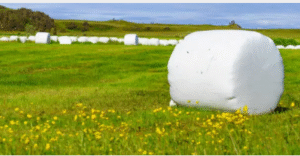 Net replacement film is a high-performance, multi-functional polymer-based film designed to serve as an alternative to traditional netting in agricultural settings. It typically combines the benefits of UV stabilisation, water repellence, and mechanical strength, offering superior coverage and protection to crops.
Unlike mesh-style netting, net replacement film provides a solid barrier that helps manage microclimates, prevent water loss, and shield produce from insects, birds, and harsh weather.
Key Applications Across Australian Agriculture
Viticulture and Winemaking
Australian vineyards, particularly in regions like the Barossa Valley, Margaret River, and the Hunter Valley, are adopting net replacement film for grape protection. Birds can cause significant crop losses during the ripening season, and while traditional nets offer some relief, they are prone to tearing and often require regular replacement.
Orchard Management
Apple, pear, cherry, and citrus orchards in states like Tasmania, Victoria, and New South Wales are also turning to net replacement film. The benefits are manifold: protection from hail, sunburn, and insect infestation. For high-value crops, such as cherries, even minimal damage can result in significant economic loss.
Net replacement film serves as a dependable, season-long protective layer that maintains fruit integrity.
Berry Farming
In regions like Queensland and Western Australia, strawberry and blueberry farms are implementing net replacement film systems. The films help mitigate pest infestations without the need for excessive pesticide use, aligning with Australia’s push towards cleaner and more sustainable farming practices. These films also help with water conservation by reducing evaporation, a key factor in Australia’s arid regions.
Advantages of Net Replacement Film Over Traditional Netting
Enhanced Durability
Net replacement film is designed to withstand Australia’s harsh environmental conditions. With high UV resistance and structural integrity, the film doesn’t fray or tear easily, even under prolonged exposure to the sun and wind. It results in a longer product life compared to conventional netting.
Improved Crop Protection
Traditional netting can let small pests through or be displaced by wind, leaving crops exposed. Net replacement film, however, acts as a comprehensive barrier against birds, insects, and airborne contaminants. Some films also come with optional additives for anti-drip, anti-fog, or thermal regulation, further optimising growing conditions.
Labour and Cost Efficiency
While initial installation may be more costly, the long-term savings from reduced maintenance, replacement, and pest control measures make net replacement film a financially wise choice. Additionally, due to its structure, the film is easier to install and remove, thereby reducing labour costs across multiple harvest seasons.
Sustainability and Recycling
Many modern net replacement films are made with recyclable materials. As Australian agriculture transitions toward more eco-conscious practices, manufacturers are producing films that not only last longer but can also be collected and recycled at the end of their lives, reducing farm waste and supporting circular economy goals.
Innovations and Customisation
Manufacturers of net replacement film in Australia are continuously innovating to meet the diverse needs of the country’s farmers. Films can now be tailored in terms of thickness, light diffusion, and heat retention properties to match specific crop requirements and regional climates. For instance, growers in cooler highland regions may opt for thermally insulating films, while tropical farms might prefer high-light transmission films to maximise growth.
Government and Industry Support
With climate variability becoming a persistent challenge, several Australian state governments and agricultural bodies are promoting advanced protective solutions, such as net replacement film. Grants and subsidies are available to help farmers transition to more sustainable and climate-resilient infrastructure.
Conclusion:
Net replacement film is rapidly gaining recognition as a transformative tool in Australian farming. Its ability to protect crops from environmental and biological threats, enhance yield quality, and reduce operational costs makes it a strategic asset in modern agriculture. As climate challenges intensify and sustainability becomes a cornerstone of production, net replacement film offers a confident step forward for Australian farmers committed to excellence, innovation, and long-term viability.