If you’re a dog owner in Portland, Oregon, understanding the risks associated with a CCL tear in dogs is essential for ensuring your furry friend’s health and happiness. The cranial cruciate ligament (CCL) is a vital component of your dog’s knee joint, providing stability and supporting mobility. Unfortunately, injuries to this ligament are common in dogs, especially those that are active or overweight. For more information about the CaninePTandMe CCL tear in dogs, click here.
What is a CCL Tear in Dogs?
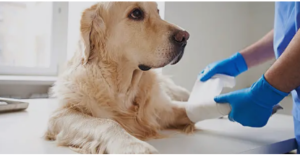 A CCL tear occurs when the cranial cruciate ligament, which connects the thigh bone (femur) to the shin bone (tibia), becomes damaged or ruptured. This injury is akin to an ACL (anterior cruciate ligament) tear in humans. CCL tears can be partial or complete, with varying degrees of severity. Dogs with this condition often experience pain, swelling, and reduced mobility in the affected leg.
Causes of CCL Tear in Dogs
Several factors can contribute to a CCL tear in dogs:
- Trauma: Sudden injuries during play or accidents can lead to ligament tears.
- Obesity: Excess weight significantly puts additional stress on your dog’s joints, increasing the risk of injury.
- Genetics: Certain breeds, such as Labrador Retrievers, Rottweilers, and Newfoundlands, are more predisposed to CCL tears due to their anatomical structure.
- Age: Older dogs may experience degeneration of the ligament, making tears more likely.
- Activity Level: Dogs that engage in high-impact activities or rough play are at a greater risk.
Symptoms of CCL Tear in Dogs
Recognising the signs of a CCL tear in your dog is crucial for early intervention.
Common symptoms include:
- Lameness: Your dog may favour one leg, limping or refusing to put weight on it.
- Swelling: Look for swelling around the knee joint, which may indicate inflammation.
- Pain: Dogs may show signs of discomfort when the affected area is touched or when they attempt to move.
- Decreased Activity: A sudden reluctance to engage in play or exercise can indicate pain or discomfort.
If you notice any of these symptoms in your dog, it’s essential to consult with a veterinarian as soon as possible.
Diagnosis of CCL Tear
Your veterinarian will conduct a thorough physical examination and may perform specific tests to confirm a CCL tear. Diagnostic tools like X-rays and, in some cases, an MRI may be utilised to assess the extent of the injury and rule out other potential issues.
Treatment Options for CCL Tear in Dogs
Treatment for a CCL tear in dogs depends on various factors, including the severity of the injury and the dog’s age, size, and activity level. Options include:
Conservative Management
For mild cases, treatment may involve rest, weight management, anti-inflammatory medications, and physical therapy. This approach allows the ligament to heal gradually.
Surgical Intervention
In more severe cases, surgery may be necessary. Common surgical procedures include
- Tibial Plateau Leveling Osteotomy (TPLO): This procedure alters the mechanics of the knee joint to stabilise it.
- Tibial Tuberosity Advancement (TTA): This surgery changes the angle of the tibia to relieve pressure on the ligament.
Rehabilitation
Post-surgery, a structured rehabilitation program can aid in recovery, helping to restore strength and mobility.
Preventing CCL Tears in Dogs
Preventative measures can help reduce the risk of CCL tears in dogs:
- Maintain a Healthy Weight: Regular exercise and a balanced diet are key to keeping your dog’s weight in check.
- Regular Veterinary Check-ups: Routine vet visits can help monitor your dog’s joint health and catch potential issues early.
- Gradual Exercise Increases: Avoid sudden increases in activity levels, especially for puppies and older dogs. Gradually introduce new exercises to prevent strain.
- Safe Play Areas: Ensure your dog plays in safe environments where they are less likely to experience traumatic injuries.
Conclusion:
CCL tears in dogs are a significant concern for pet owners in Portland, OR. Understanding the causes, symptoms, and treatment options can empower you to take the best possible care of your furry friend. If you suspect your dog may have a CCL tear, don’t hesitate to seek veterinary care promptly. With appropriate treatment and care, many dogs can return to their active lifestyles and enjoy a healthy, fulfilling life.