In modern farming, where sustainability and efficiency are paramount, silage film has emerged as a critical tool in agriculture and livestock management in Australia. This specialised plastic sheeting is designed to preserve forage crops, ensuring farmers can maintain high-quality feed for their livestock while minimising environmental impact. By providing an airtight seal that promotes anaerobic fermentation, silage film plays a vital role in protecting nutritional value, reducing waste, and supporting sustainable practices.
What is Silage Film?
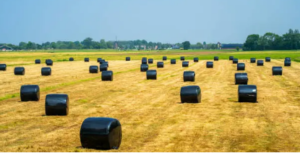 Silage film is a plastic material used to wrap and seal forage crops, such as grass, maise, or alfalfa, to create silage. The process involves cutting and compacting the crops before wrapping them in silage film to exclude air. The exclusion of oxygen facilitates anaerobic fermentation, preserving the feed and maintaining its nutritional value for months. It allows farmers to store silage efficiently and provide consistent, high-quality feed for their livestock, even during off-seasons.
Benefits of Silage Film in Sustainable Agriculture
Feed Preservation and Nutritional Value
One of the primary benefits of silage film is its ability to maintain the nutritional quality of forage crops. By creating an airtight environment, silage film prevents spoilage and degradation caused by exposure to air. It ensures that livestock receives feed rich in essential nutrients, leading to improved health and productivity.
Reduction of Feed Waste
Feed waste is a significant issue in farming, contributing to financial losses and environmental challenges. Silage film minimises spoilage and reduces the risk of mould and decay, allowing farmers to maximise the value of their harvested crops. This efficiency directly supports sustainable practices by minimising resource waste.
Extended Storage Life
Silage film extends the storage life of forage crops, enabling farmers to stockpile feed for use during periods of scarcity. This stability is especially valuable in regions prone to unpredictable weather patterns or seasonal feed shortages, helping farmers maintain livestock health and productivity year-round.
Improved Farm Efficiency
Using silage film simplifies the storage and transportation of feed. Wrapped bales are easier to handle and require less space compared to traditional silos. This streamlining of operations reduces labour requirements and enhances overall farm efficiency.
The Role of Silage Film in Livestock Management
Consistent Feed Supply
Silage film ensures that farmers can provide a consistent and reliable feed supply to their livestock. This consistency is crucial for maintaining optimal growth, milk production, and overall animal health. A steady diet of high-quality silage reduces the risk of nutritional deficiencies and supports long-term livestock management goals.
Enhanced Livestock Health
Preserving the nutritional content of forage through silage film contributes to better digestion and overall health in livestock. Animals fed on high-quality silage are less likely to experience health issues, reducing veterinary costs
and improving the profitability of farming operations.
Cost-Effective Feeding Solutions
Silage film enables farmers to produce and store feed efficiently, reducing the need for purchased feed or supplements. This cost-effective solution supports sustainable livestock management by lowering expenses and maximising the use of on-farm resources.
Environmental Benefits of Silage Film
Reduced Carbon Footprint
Silage film helps reduce the carbon footprint of farming operations by minimising feed waste and spoilage. Efficient feed storage ensures that fewer resources are required to produce additional feed, leading to lower greenhouse gas emissions.
Minimised Land Use
By preserving forage crops effectively, silage film reduces the need to cultivate additional land for feed production. This conservation of agricultural land supports biodiversity and helps maintain ecosystems.
Recyclability and Sustainable Materials
Many modern silage films are designed with sustainability in mind. Manufacturers are increasingly producing recyclable silage film, reducing plastic waste and promoting a circular economy in agriculture. Farmers can partner with recycling programs to ensure that used silage film is processed responsibly.
Choosing the Right Silage Film
Selecting the appropriate silage film is critical to achieving optimal results. Factors to consider include:
- Thickness and Durability: High-quality silage film should be thick and durable enough to withstand punctures and harsh weather conditions.
- UV Resistance: UV-resistant films prevent degradation from sunlight, ensuring the longevity of wrapped bales.
- Adhesive Properties: Good adhesive properties ensure a tight seal, preventing air infiltration.
- Environmental Impact: Opt for recyclable or biodegradable options to align with sustainable farming practices.
Conclusion
Silage film is an indispensable tool for modern farmers in Australia, bridging the gap between sustainability and efficiency. By preserving feed quality, reducing waste, and promoting environmentally responsible practices, silage film supports the dual goals of agricultural productivity and environmental stewardship. Investing in high-quality silage film not only enhances farm operations but also contributes to a more sustainable future for agriculture and livestock management.