For livestock farmers in Australia, maintaining high-quality forage is crucial to ensuring their animals receive the necessary nutrients for optimal health and productivity. One of the most effective ways to preserve forage is through ensiling, which requires the use of high-quality, strong silage wrap. A durable and reliable silage wrap plays a vital role in protecting the forage from external elements, maintaining its nutritional value, and preventing spoilage.
The Importance of Strong Silage Wrap
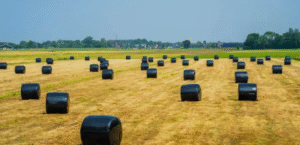 Silage wrap acts as a protective barrier that seals forage, preventing oxygen from entering and reducing the risk of spoilage. A strong silage wrap provides superior protection against environmental threats such as moisture, UV exposure, and physical damage, all of which can compromise the quality of the preserved forage.
1. Oxygen Barrier for Proper Fermentation
The primary purpose of silage wrapping is to create an anaerobic (oxygen-free) environment that promotes fermentation. Fermentation is a natural process that converts sugars in forage into organic acids, preserving the silage and preventing mould and bacterial growth. Strong silage wrap ensures an airtight seal, reducing oxygen penetration that can lead to spoilage. If the wrap is weak or punctured, oxygen can enter the silage stack, disrupting the fermentation process and leading to nutritional loss.
2. Protection Against Moisture and Weather Conditions
Silage is often stored outdoors, making it susceptible to changing weather conditions. Rain, snow, and humidity can introduce excess moisture into the silage, which can encourage mould growth and spoilage. A strong silage wrap provides excellent water resistance, preventing moisture from seeping in and compromising the feed quality. Additionally, a high-quality wrap can withstand strong winds and heavy rain, ensuring long-term preservation.
3. UV Resistance for Longevity
Exposure to ultraviolet (UV) rays can weaken silage wrap over time, leading to cracks and deterioration. This degradation allows oxygen to penetrate the wrap, reducing the effectiveness of the preservation process. Strong silage wrap is designed with UV-resistant properties, providing long-lasting durability even in intense sunlight. This feature is particularly important for farmers who store silage for extended periods.
4. Preventing Physical Damage and Punctures
Silage wrap must endure handling, stacking, and movement throughout the storage process. Poor-quality wraps are prone to punctures from sharp objects, farm machinery, and even wildlife, which can compromise the airtight seal. A strong silage wrap is made from multi-layered, high-density polyethylene or other advanced materials that offer superior puncture resistance. Its added strength ensures that the wrap remains intact, protecting the forage from external contaminants.
The Consequences of Using Weak Silage Wrap
Using low-quality or weak silage wrap can lead to several issues that negatively impact the quality and availability of forage:
- Increased Spoilage – Weaker wraps allow oxygen to enter, leading to mould and bacteria growth.
- Nutrient Loss – Poor fermentation results in lower nutrient retention, reducing the overall feed quality.
- Higher Waste and Costs – Spoiled silage means more waste, requiring farmers to purchase additional feed increasing operational costs.
- Health Risks to Livestock – Contaminated or mouldy silage can cause digestive issues and health problems in livestock.
Choosing the Right Strong Silage Wrap
When selecting a strong silage wrap, farmers should consider the following key factors:
- Material and Thickness – A high-quality silage wrap should be made from durable, multi-layered plastic that resists tearing and punctures. Thicker wraps generally offer better protection.
- Stretchability and Sealing Ability – A good silage wrap should have excellent stretchability to ensure a tight and secure fit around the bales or silage pit.
- UV Resistance – UV protection ensures the longevity of the wrap, preventing premature degradation from sun exposure.
- Adhesion and Cling – The wrap should adhere well to itself to create a complete seal, preventing oxygen from entering.
- Colour and Reflectivity – Lighter colours, such as white, reflect sunlight and help maintain lower temperatures, while darker colours, such as black, absorb heat and may be suitable for specific climates.
Conclusion
A strong silage wrap is a crucial investment for farmers in Australia who want to preserve high-quality forage and ensure their livestock receive the best possible nutrition. By preventing oxygen exposure, protecting against moisture and UV rays, and minimising physical damage, a durable silage wrap helps maintain nutrient-rich feed while reducing spoilage and waste. Choosing the right silage wrap and using proper storage techniques can significantly improve forage preservation, leading to better livestock health and farm efficiency. Farmers who prioritise quality silage wrap can enjoy long-term benefits, including cost savings and improved productivity.